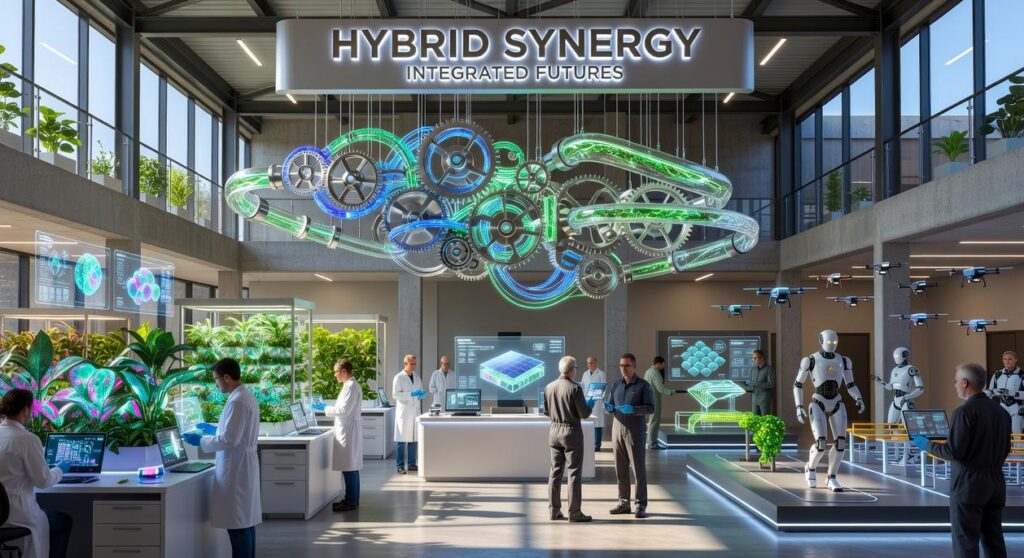
Gaming moves fast—and if you’re trying to keep up with the latest headlines, evolving mechanics, and multiplayer shifts, it can feel impossible to separate real trends from temporary hype. This article is built for players who want more than surface-level news. You’re here to understand what’s changing, how it affects your playstyle, and how to adapt your setup for a competitive edge.
We break down the most important developments across genres, analyze how core mechanics are evolving, and highlight the multiplayer dynamics shaping today’s most active communities. You’ll also find practical optimization tips to improve performance, responsiveness, and overall gameplay experience.
To ensure accuracy and relevance, we rely on hands-on testing, community feedback, competitive scene analysis, and ongoing review of patch notes and developer updates. The goal is simple: give you clear, actionable insights so you can play smarter, react faster, and stay ahead of the curve in a constantly shifting gaming landscape.
The New Frontier of Game Design
Is it a shooter with RPG elements, or an RPG with shooter mechanics? When games blur lines like this, players lean in (and arguments start on Reddit). The problem is simple: predictable, single-genre formulas feel stale. Both gamers and developers crave fresh loops that surprise.
The solution lies in hybrid game genres—intentional blends that merge:
- Core combat systems
- Progression frameworks
- World-building structures
Successful fusion works when mechanics reinforce one another. If loot fuels combat and combat reshapes story, cohesion follows. Pro tip: map your primary player motivation first, then layer secondary systems carefully, thoughtfully.
Genre blending isn’t just a creative experiment—it’s quickly becoming the engine of modern game design. As player expectations evolve, developers are discovering that innovation often lives at the intersection of ideas rather than inside neat genre boxes.
Driving Innovation Through Collision
When mechanics from two traditions collide, teams are forced to solve unusual design problems. For example, merging a narrative-heavy RPG with tactical strategy demands systems that balance emotional storytelling with calculated decision-making. That tension often produces entirely new gameplay loops—systems that simply wouldn’t exist otherwise. Think of how adding deck-building to action combat reshaped pacing (yes, it sounds chaotic, but it works). Some argue genre purity creates tighter experiences. Fair point. However, stagnation is the bigger risk.
Moreover, hybrid game genres naturally expand audience appeal. A shooter layered with RPG-style progression can hook competitive players while satisfying those who crave character growth. Consequently, communities overlap, and player bases grow.
Replayability also skyrockets. Borrow procedural generation from roguelikes or long-term skill trees from RPGs, and suddenly a linear platformer gains hundreds of viable playthroughs. Pro tip: progression systems must complement—not overpower—the core loop.
Looking ahead, it’s reasonable to speculate that future hits will blur genres so thoroughly we’ll stop labeling them altogether. And when games consistently surprise us, they become unforgettable (like the first time you realized open worlds could feel truly alive).
Iconic Hybrids and What Makes Them Work
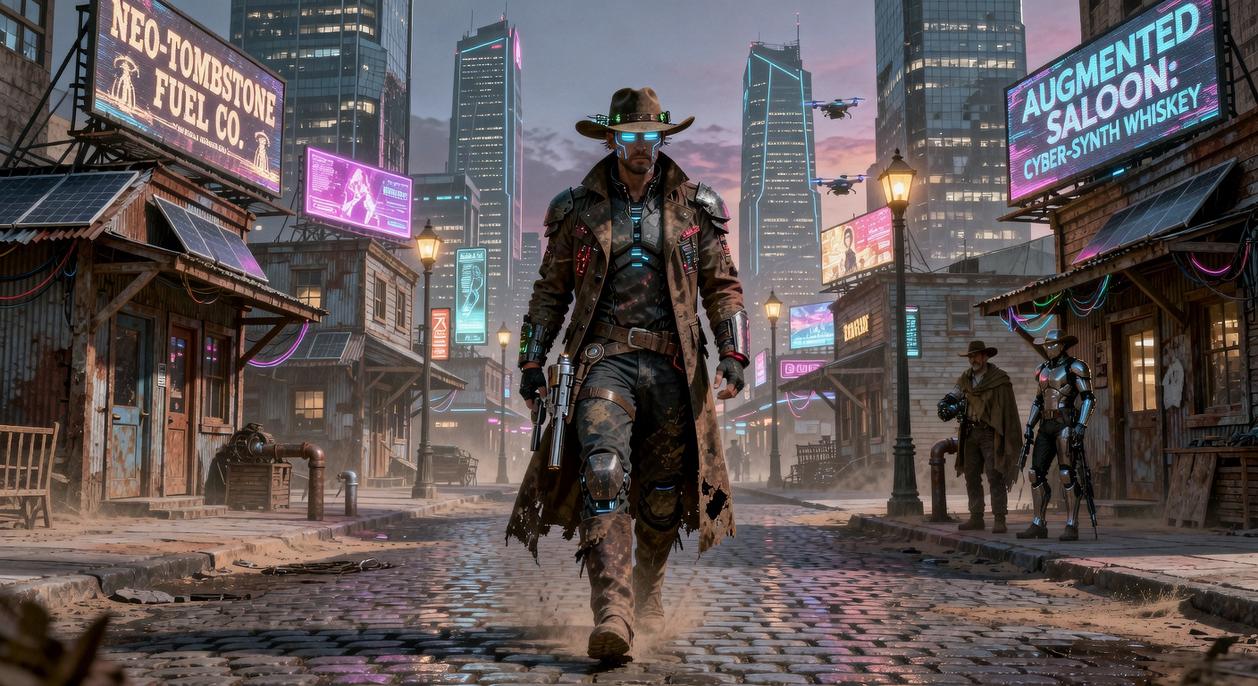
The first time I stayed up until 3 a.m. chasing a legendary drop in Borderlands, I told myself, “Just one more run.” Two hours later, I was still there—hooked. That’s the magic of hybrid game genres: they fuse two satisfying loops into one experience that feeds on itself.
The Loot Shooter (Action RPG + First-Person Shooter)
Take Borderlands or Destiny. On the surface, they’re shooters—tight gunplay, responsive controls, that immediate dopamine hit when a headshot lands. But layered beneath is RPG progression: skill trees (branching ability upgrades that specialize your playstyle), rarity tiers, and randomized loot tables (systems that determine item drops).
Some critics argue loot systems dilute competitive integrity, turning skill into a gear check. I get that. I’ve definitely blamed my underpowered loadout after a tough raid. Still, the synergy works because short-term action fuels long-term motivation. The firefight is fun now; the loot promises you’ll be stronger later. That loop is powerful (and occasionally dangerous to your sleep schedule).
The Deck-Building Roguelike (Strategy + Card Game)
When I first played Slay the Spire, I underestimated it. “It’s just cards,” I thought. Then I lost. Repeatedly.
A deck-builder revolves around constructing a personalized set of cards over time. A roguelike features permadeath (losing means starting over) and procedural generation (levels rearrange each run). Combined, every choice carries weight. Add a weak card? It might haunt you for an hour.
Some players dislike the randomness. Yet that uncertainty creates tension and discovery. Each run feels like drafting a new strategy under pressure—high stakes, high learning curve, high satisfaction.
The Soulslike Metroidvania (Action RPG + Exploration Platformer)
In Hollow Knight, I remember venturing too far, low on health, terrified of losing my currency. That’s the Soulslike influence: deliberate combat, stamina management, corpse runs (retrieving lost resources after death). Pair that with Metroidvania design—ability-gated exploration where new powers unlock old paths—and exploration suddenly feels risky.
Admittedly, some argue the difficulty alienates casual players. True. But the elevated stakes make every shortcut found and boss defeated deeply earned.
The Survival Crafter (Simulation + Adventure)
My first night in Minecraft ended in a dirt hut, hiding from skeletons. Survival games emphasize hunger, hazards, and scarcity. Crafting systems allow players to gather resources and build tools or structures. Together, survival gains purpose. You’re not just avoiding death—you’re building something that lasts.
Interestingly, this design philosophy echoes how battle royale mechanics matured from earlier survival concepts—explored in detail in how battle royale games evolved from survival mods.
Ultimately, these hybrids succeed because each genre compensates for the other’s weaknesses. Action gains depth. Strategy gains tension. Exploration gains consequence. And we gain stories we can’t stop retelling.
The Art of the Blend: Unifying Core Mechanics
Every great hybrid starts with a backbone. Identify the primary gameplay loop—the action players repeat for dozens of hours. Shooting, platforming, exploring: this is the chassis. Back in 2019, when looter-shooters flooded the market, the titles that survived were the ones where firing a weapon felt good even without flashy upgrades. If the core loop isn’t satisfying on its own, no system can save it (players notice within minutes).
The supporting loop exists to enhance that chassis. Think of RPG stats that increase reload speed or stamina in a platformer. They should make the action smoother, not bury it in spreadsheets. Define the supporting loop as the secondary progression system layered onto the main activity. If players spend more time in menus than in motion, something’s off.
Creating mechanical synergy is the real craft. In the best hybrid game genres, progress in one system directly fuels the other. Leveling up improves combat; combat unlocks deeper exploration. After three months of testing, designers often find that even small stat tweaks dramatically shift flow.
Clarity is king. Intuitive controls and clean UI unify both systems, preventing cognitive overload and keeping players immersed.
When good ideas sprawl, they stumble. Feature Creep stuffs hybrid game genres into one package, but shallow systems dilute mastery. Conflicting pacing creates gameplay whiplash, snapping players from strategy to chaos. System bloat piles on currencies, menus, and meters, burying fun under management. Streamlined mechanics protect clarity, focus, and flow.
Your Next Favorite Game Will Be a Hybrid
If single-genre titles feel predictable, you’re not imagining it. Annual player surveys from Newzoo show over 60% of gamers crave “new experiences” over familiar formulas. Meanwhile, breakout hits like Hades, which blends roguelike loops with action RPG progression, and Fortnite, fusing shooters with live-service worldbuilding, consistently outperform genre-pure peers in retention metrics. In other words, hybrid game genres expand design space. By intersecting established mechanics, they create layered mastery curves and surprise-driven play (the peanut butter and chocolate effect). So time you play, identify crossover systems and seek titles that defy labels.
Level Up Your Play With Smarter Game Insights
You came here to better understand the latest gaming headlines, evolving mechanics, and how multiplayer dynamics and setup tweaks can sharpen your edge. Now you’ve got a clearer picture of how genres are blending, how core systems are shifting, and what it takes to stay competitive.
The real challenge isn’t finding games to play — it’s keeping up with constant changes, hidden mechanics, and optimization tricks that separate casual players from consistent winners. Falling behind on trends or ignoring setup fine-tuning can cost you performance, rank, and enjoyment.
The next move is simple: stay plugged into current updates, experiment with refined playstyles, and optimize your setup for peak responsiveness. Don’t settle for outdated strategies.
If you’re serious about mastering evolving metas and getting the most out of every session, dive deeper into the latest breakdowns and optimization hacks now. Thousands of dedicated players rely on these insights to sharpen their skills — you should too. Start upgrading your gameplay today.