
If you’re searching for clear, up-to-date insights on the biggest shifts in gaming—from headline releases to evolving multiplayer metas—you’re in the right place. Today’s players don’t just want news; they want to understand how core mechanics, playstyles, and genre innovations actually affect their performance and enjoyment.
This article breaks down the latest developments shaping modern games, including how competitive matchmaking systems are redefining fairness, progression, and long-term engagement. We’ll explore emerging genre trends, smarter loadout and setup optimization hacks, and the multiplayer dynamics that separate casual runs from ranked dominance.
Our analysis is grounded in hands-on gameplay evaluation, close monitoring of patch notes and developer updates, and continuous testing of performance strategies across platforms. The goal is simple: deliver practical, experience-backed insights that help you adapt faster, play smarter, and stay ahead of the curve in an increasingly competitive gaming landscape.
The search for a truly balanced online match never really ends. Most platforms promise fairness, but few explain how their algorithms actually work. This guide zeroes in on the ones using sophisticated, structured skill-based models to keep games tight. We define skill-based matchmaking (SBMM) as a system that evaluates player performance data—wins, accuracy, reaction time—to predict competitive parity. The real magic happens behind the scenes with competitive matchmaking systems that recalibrate after every round. Rivals may list top titles, yet they rarely analyze recalibration speed, smurf detection, or regional latency weighting. Those details matter. Without them, you get lobbies that feel like a Rocky montage gone wrong—either you’re training or you’re getting flattened. True balance means every mistake costs you, and every smart play counts. Pro tip: check visible rank volatility over ten matches to gauge algorithm responsiveness.
Modern matchmaking algorithms power online multiplayer games by pairing players of similar ability. The most common approach is Skill-Based Matchmaking (SBMM). SBMM uses performance metrics like kill/death ratio (K/D), win rate, and score per minute to calculate a hidden number called MMR (Matchmaking Rating). Think of MMR as a constantly updating grade for how you play. When you win against strong opponents, it rises; lose to weaker ones, it drops.
Different mathematical models power this system: Elo, Glicko-2, and Microsoft’s TrueSkill. Elo adjusts ratings based on expected outcomes. Glicko-2 adds a rating deviation value, measuring uncertainty in a player’s skill. TrueSkill evaluates team performance and predicts future results, making it popular in competitive matchmaking systems.
Here’s a simplified comparison:
| System | Key Idea | Best For |
| System | Key Idea | Best For |
| Elo | Win/loss expectation | 1v1 games |
| Glicko-2 | Adds uncertainty factor | Active ladders |
| TrueSkill | Team-based predictions | Squad shooters |
The big debate is fairness vs. fun. Supporters argue tight matches keep players engaged and learning. Critics say every round feels sweaty, like a tournament final, and punishes friends with different skill levels. A well-designed system balances both. Look for transparent ranks (Bronze to Grandmaster), separate ranked playlists, and consistently close scorelines. Balance means challenge without constant frustration for players.
Top-Tier Platforms for First-Person Shooter Fans
Valorant
Riot’s tactical shooter is often praised for its transparent Ranked structure. Your hidden MMR (Matchmaking Rating)—a behind-the-scenes skill score—determines who you face, while RR (Rank Rating) is the visible number you grind to climb tiers. The appeal? Tight brackets that usually feel fair (though let’s be honest, everyone blames “bad teammates” sometimes). I can’t say the system is perfect—smurfing debates still pop up—but Riot’s clarity around progression builds trust compared to many competitive matchmaking systems.
Counter-Strike 2
CS2’s Premier mode refines a legacy formula. Its CS Rating acts like a public-facing ELO-style score, placing you on global and regional leaderboards. That visibility raises the stakes; every match feels like it matters. Some argue the pressure encourages toxicity, and they might have a point. Still, the leaderboard structure reinforces competitive integrity in a way few shooters replicate.
Apex Legends
Apex uses Ranked Points (RP), rewarding both kills and placement. Translation: you can’t just frag out early and call it a day. Survival matters. This system nudges players toward balanced aggression—fight smart, rotate smarter. I’ll admit, scoring tweaks each season can feel opaque, and not everyone agrees on what “fair” RP gains look like.
Genre-Specific Nuances
Tactical shooters reward precision and coordination:
• Slower pacing, economy management, defined roles
• Round-based stakes that magnify small mistakes
Battle royales emphasize adaptability and survival across sprawling maps. If you prefer methodical chess, lean tactical. If you like controlled chaos (think blockbuster final circle moments), Apex might be your arena.
The Best Arenas for Strategy and MOBA Players
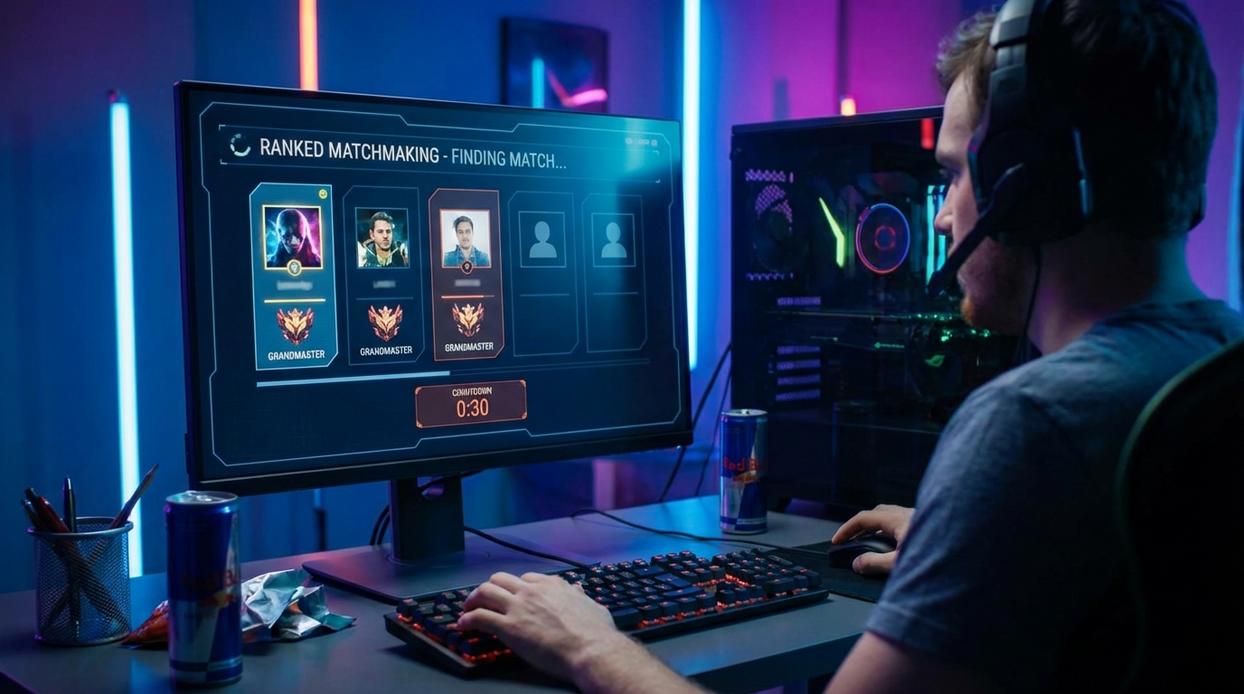
When it comes to competitive matchmaking systems, few genres are as refined—or as fiercely debated—as MOBAs and high-skill arena titles.
League of Legends
Since its ranked overhaul back in 2013, League of Legends has become the blueprint for laddered progression. At its core is MMR (Matchmaking Rating)—a hidden numerical value that estimates player skill. Visible League Points (LP) sit on top of that system, determining promotion or demotion between tiers like Gold or Diamond. Some critics argue LP creates unnecessary grind. But Riot’s two-layer design separates perceived progress from raw skill, which helps stabilize rankings over time (and yes, saves you from total chaos after one bad night).
Dota 2
After Valve reworked ranked roles in 2019, Dota 2 doubled down on accuracy. Its calibration phase—typically 10 placement matches—establishes your initial MMR. At higher tiers, its rating system is widely respected for precision, partly because it weighs individual performance alongside match outcome. The downside? It’s unforgiving. But for elite players, that rigidity is the point.
Rocket League
Since going free-to-play in 2020, Rocket League has relied on a streamlined MMR model. No fluff. Fast matches demand precise skill tracking, and the system adjusts quickly. Pro tip: short sessions reduce rating volatility.
Why Team Composition Matters
Raw MMR isn’t enough. MOBAs especially require balanced roles—carry, support, tank. A fair match isn’t just high numbers; it’s synergy. For broader infrastructure insights, see cross platform multiplayer benefits and technical challenges.
Last season, I queued after a workday and dropped three ranks in a night. I blamed the algorithm. But fatigue, 80ms ping, and comms were the real culprits (hard to clutch when you’re yawning). No system is perfect; competitive matchmaking systems can’t see your sleep schedule or your teammate’s Wi‑Fi hiccup.
Consistency matters. When I focused on one role, tightened my hero pool, and reviewed replays, my results stabilized. That cleaner data helps the system place you accurately. PRO TIP: track sessions and stop after two losses.
Use the tools. Lock preferred servers, queue your role, or find a squad instead of solo rolling the dice.
And if you’re tilted—CAPS TYPING, blaming everyone—step away. A break prevents a bad streak from looking like declining skill.
Finding Your Ideal Competitive Proving Ground
You’ve mapped your options—now it’s about choosing wisely. A tactical shooter vs. a complex MOBA isn’t just theme preference; it’s precision vs. macro strategy. Shooters reward reflexes and positioning (think Valorant), while MOBAs emphasize map awareness and team coordination (hello, League of Legends). Both rely on competitive matchmaking systems, but how they test you differs.
Some argue all ranked ladders feel the same. Not quite. Structured matchmaking in shooters often isolates mechanical skill, while MOBAs weigh decision-making over time.
Choose the arena that sharpens your edge. The right battleground ensures skill—not chaos—decides your climb.
Level Up Your Competitive Edge
You came here to understand how modern multiplayer systems, evolving metas, and smarter setups give you a real advantage. Now you have a clearer picture of how gameplay mechanics, strategic adaptability, and competitive matchmaking systems shape every ranked climb and online showdown.
The frustration of grinding without progress, losing to better-coordinated squads, or feeling stuck in an unfair bracket is real. Falling behind the meta or ignoring optimization tweaks can cost you wins you should have secured. The difference between casual play and consistent victory often comes down to mastering systems others overlook.
Now it’s your move. Apply these insights, refine your loadouts, adapt to evolving playstyles, and start treating every match as a calculated opportunity to improve. Stay updated with the latest gaming headlines, deep-dive mechanics breakdowns, and optimization hacks trusted by serious players.
If you’re ready to stop guessing and start winning, dive into the latest competitive insights now and sharpen your strategy today.