Horror gaming is evolving faster than ever, and players want to know what’s actually shaping the scares behind today’s biggest releases. From experimental mechanics to community-driven multiplayer chaos, understanding where the genre is headed helps you discover better games—and play them smarter. This article breaks down the most important indie horror game trends, core gameplay shifts, and emerging design patterns redefining fear in 2026.
We’ll explore how mechanics are becoming more psychological than predictable, how genre hybrids are pushing boundaries, and how multiplayer dynamics are transforming isolation into shared tension. You’ll also find practical setup optimization tips to ensure you experience every frame drop, audio cue, and lighting effect exactly as intended.
Our insights are built on continuous tracking of gaming headlines, deep analysis of core systems and playstyles, and hands-on evaluation of evolving mechanics across platforms. If you want a clear, focused look at where horror gaming is going—and how to stay ahead of it—you’re in the right place.
Beyond the Jump Scare: What’s Driving Indie Horror in 2024
As indie horror games push the boundaries of narrative and gameplay mechanics, they often incorporate innovative elements like skill trees, similar to what we explore in our article on ‘The Role of Skill Trees in Character Progression Systems,’ to enhance player agency and immersion.
The core theme is simple: indie horror has grown up. What was once a parade of cheap jump scares is now a laboratory for psychological tension, strange mechanics, and bold visual identity. Atmosphere now outweighs shock value—and honestly, I think that’s a good thing.
Why It’s Hard to Keep Up
With thousands of releases on Steam and Itch.io, spotting lasting shifts in indie horror game trends feels overwhelming. Some argue it’s all recycled nostalgia bait. I disagree. The smartest titles blend systemic gameplay loops with slow-burn dread (think less haunted house, more creeping existential crisis). This roadmap highlights what truly defines modern indie horror.
The Rise of Analog Horror and Lo-Fi Aesthetics
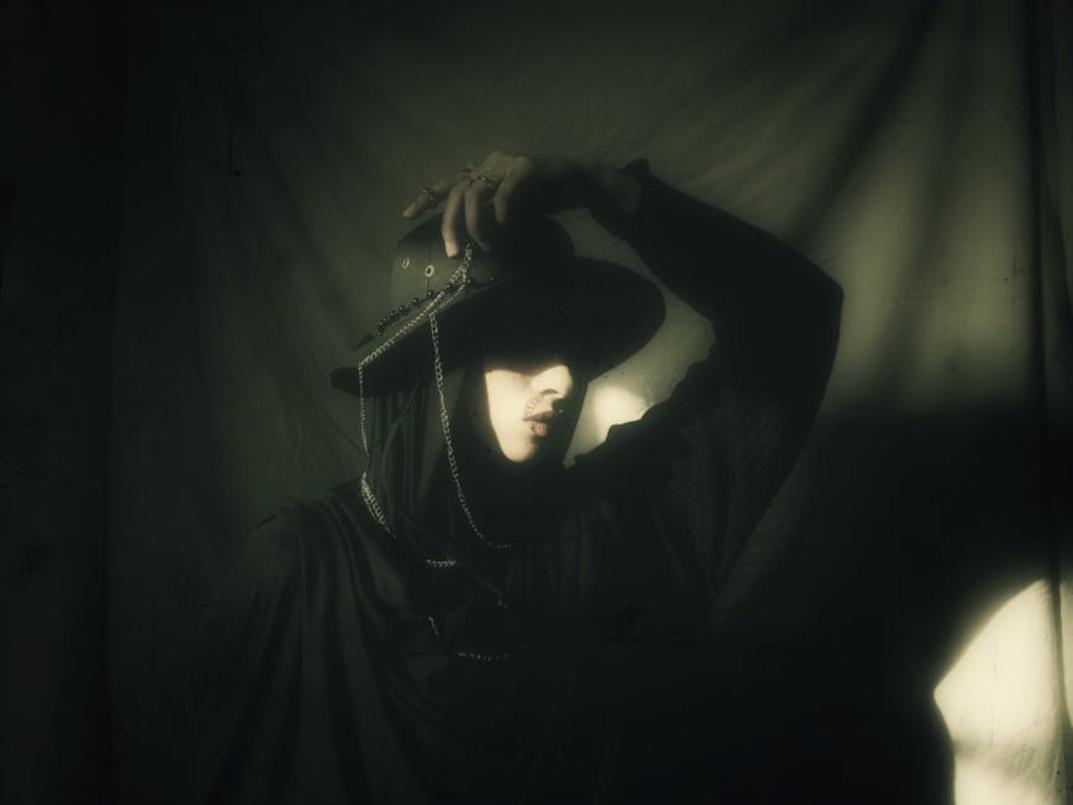
There’s a clear shift happening in modern horror: games that look like they crawled out of a dusty attic. Think PS1-era graphics, warped textures, VHS tracking lines, and CRT monitor flicker. This isn’t technical limitation—it’s a deliberate design choice.
At its core, analog horror uses visual degradation to trigger the uncanny valley—a term describing the discomfort we feel when something looks almost real, but not quite. Low-poly faces, stiff animations, and muffled audio feel eerily authentic, like lost footage you weren’t meant to see (and that’s exactly the point). Games like Fears to Fathom and Paratopic show how these aesthetics turn nostalgia into tension.
Some argue this is just retro cosplay. Why not aim for photorealism? Fair question. However, realism often removes ambiguity. Grainy filters and texture warping obscure information, forcing players to question what they saw. That uncertainty heightens fear more effectively than ultra-detailed lighting ever could.
Practically speaking, this style empowers small teams. Instead of chasing AAA fidelity, developers can:
- Use fixed camera angles to limit visibility and control pacing.
- Intentionally lower texture resolution to create visual noise.
- Apply subtle screen distortion to simulate aging hardware.
Pro tip: Add slight input delay or camera jitter sparingly—it subconsciously increases player unease.
There’s also a performance bonus. Less graphically intensive builds run smoothly on older GPUs, making them accessible across wider PC setups. That accessibility partly explains the surge in indie horror game trends.
In other words, lo-fi isn’t cutting corners. It’s weaponizing imperfection.
Psychological Dread as the Primary Gameplay Loop
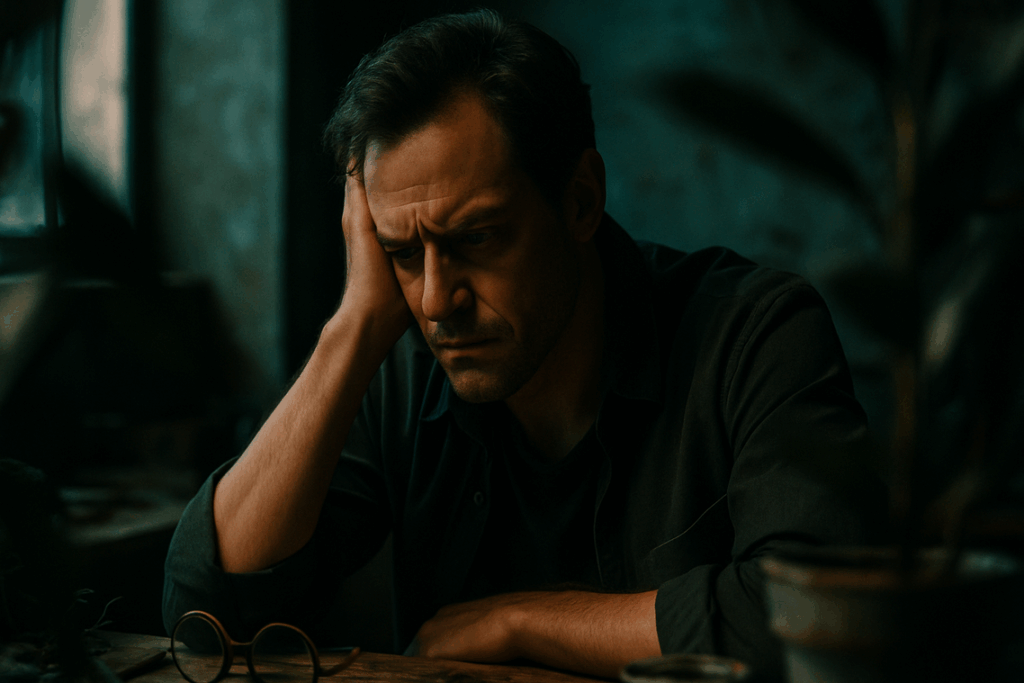
Traditional horror games train you to fear what’s in front of you: the monster in the hallway, the jump scare behind the door. Psychological horror flips that script. The real threat isn’t external—it’s internal. The enemy is the protagonist’s perception, fractured memory, or unresolved trauma (which is far harder to shoot at).
Instead of heavy combat, these games emphasize exploration, environmental storytelling, and puzzles that mirror a deteriorating mental state. In Silent Hill 2, for example, combat is clunky by design, reinforcing vulnerability rather than empowerment. Amnesia: The Dark Descent removed combat almost entirely, and a 2010 Frictional Games report noted players spent significantly more time hiding than confronting threats—proof that helplessness intensifies fear.
Key mechanics drive this loop. The unreliable narrator—a character whose version of events cannot be trusted—forces players to question every clue. Environments shift without warning: doors vanish, hallways stretch endlessly, rooms decay in seconds. Audio design blurs reality and hallucination; whispered voices pan across surround channels, exploiting psychoacoustic research showing humans are highly sensitive to directional sound anomalies (Blauert, 1997).
Critics argue this approach sacrifices gameplay for atmosphere. Where’s the challenge without combat? But the tension comes from interpretation, not reflex. Games like Layers of Fear and Visage—central to indie horror game trends—demonstrate strong player retention despite minimal fighting.
The result is fear that lingers because it implicates the player’s perception. It’s not about surviving the monster. It’s about doubting your own mind. For more on how this fits into broader design shifts, see the rise of hybrid genres in modern game design.
Indie developers are increasingly smashing horror into genres that have absolutely no business being scary, and somehow it works. The idea is simple: take a cozy framework and inject dread. Suddenly, your dating sim includes dialogue choices that might summon a demon instead of a prom date. (Talk about high stakes romance.)
Consider horror-dating sims, where relationship meters double as sanity gauges. Or horror-management games, where you’re not just balancing budgets but containing eldritch staff members who refuse to clock out. There’s even the horror-fishing simulator, where every ripple in the water feels like JAWS is updating its LinkedIn profile.
This wave of indie horror game trends thrives on contrast. Familiar mechanics lull players into routine before tension twists the knife. Inventory systems become moral dilemmas. Time management turns into survival math. The comfort loop is still there, but it’s wearing a monster mask.
Skeptics argue it’s gimmicky. Why not keep horror in haunted houses? Fair point. But blending genres keeps fear fresh and prevents creative decay. When players don’t know whether they’re about to kiss, cast a line, or confront cosmic doom, unpredictability does the heavy lifting.
• EXPECT THE UNEXPECTED
• TRUST NOTHING
• SAVE OFTEN IF POSSIBLE
Multiplayer Dynamics: The Shift to Shared Terror
Horror used to be a solitary ritual: lights off, headphones on, courage dwindling. Now, it’s a group chat where everyone’s screaming.
We’re seeing a surge in cooperative and asymmetrical horror games where fear becomes social currency. Instead of scripted scares, the tension comes from other players. And honestly? I think that’s a smarter evolution. AI can be predictable. People are not.
Proximity chat—where voice communication only works within a certain in-game distance—changes everything. You can hear your friend’s panic fade as they run down a hallway. That design creates isolation inside teamwork (which feels cruel, in the best way).
Then there’s the “one vs. many” structure:
- One overpowered killer
- A fragile, coordinated survivor team
- Strategy mixed with paranoia
Some argue this dilutes horror by making it too chaotic. I disagree. The unpredictability is the horror. It turns matches into unscripted performances shaped by indie horror game trends and player psychology.
Fear shared is fear amplified.
Modern digital fright thrives on psychological depth, lo-fi aesthetics, genre fusion, and volatile social dynamics. These pillars define current indie horror game trends, but competitors stop at aesthetics. The real shift is mechanical: systems that ration light, distort audio, or rewrite objectives mid-session to manipulate perception. It’s less about the monster in the hallway and more about the rulebook quietly changing (and yes, that’s cruel by design). Some argue high-fidelity graphics drive fear; evidence from titles like Iron Lung suggests constraint sparks imagination instead. As tools democratize, expect sharper experimentation, hyper-personal scares, and mechanics that learn you. Pro tip: headphones.
Stay Ahead of the Fear Curve
You came here to understand where horror gaming is heading and how evolving mechanics, multiplayer dynamics, and optimization strategies are shaping the experience. Now you have a clear view of the forces driving today’s indie horror game trends—from psychological tension design to co-op terror loops and performance-focused setup tweaks.
The biggest pain point for horror fans and creators alike is falling behind. Trends shift fast. What feels terrifying today can feel predictable tomorrow. Missing those shifts means missing better scares, stronger engagement, and smarter builds.
The recommendation is simple: stay plugged into emerging mechanics, test new playstyles early, and optimize your setup so you experience (or create) horror exactly as intended. That’s how you stay competitive and fully immersed.
If you’re serious about mastering the genre, don’t wait for the next breakout title to surprise you. Get the latest breakdowns, actionable optimization hacks, and real-time horror insights from the #1 destination for cutting-edge gaming analysis. Dive in now and level up your horror experience before the next wave hits.