
Platformers are back in the spotlight—and players want to know why. If you’ve noticed more side-scrolling adventures, pixel-perfect jumps, and tight movement systems dominating storefronts and streaming platforms, you’re not imagining it. The indie platformer resurgence is reshaping how developers approach game design, and how players experience challenge, creativity, and replayability.
This article breaks down what’s driving this revival, from evolving core mechanics and smarter level design to modern multiplayer twists and performance optimization tricks that make these games shine on today’s setups. Whether you’re a competitive player chasing precision or a casual gamer rediscovering the genre, you’ll find clear insights into what’s changed—and what hasn’t.
Our analysis draws on deep coverage of gaming trends, mechanical breakdowns, and real-world playtesting across multiple platforms. By the end, you’ll understand why platformers are thriving again—and which design shifts are pushing the genre into its next evolution.
A New Golden Age for Leaps and Bounds
Beyond the neon mascots of the 90s, platformers are vaulting back into relevance. The indie platformer resurgence feels real, yet I’ll admit data is still forming and nostalgia may cloud judgment. Gamers craving tight, skill-based loops are fatigued by endless maps and battle passes. In response, small studios are reinventing mechanics—precision dashes, time-bending jumps—and pairing them with painterly worlds that rival prestige animation. Constraint is becoming a virtue again. I can’t say this momentum will last, but focused design and artistry are redefining what jumping from point A to B can mean.
The Catalysts: Why Indie Platformers Are Thriving Now
As indie platformers continue to captivate gamers with their innovative designs and nostalgic charm, it’s fascinating to see how skills honed through Advanced Aim Training Techniques Backed by Science can enhance one’s performance in these creatively challenging adventures.
First, let’s talk tools. A decade ago, building a polished platformer required a sizable budget and a publisher’s backing. Today, engines like Unity, Godot, and Unreal Engine offer free tiers, visual scripting, and massive asset libraries. In practical terms, that means a solo developer can prototype tight jump physics in weeks, not years. (Yes, the same physics that make or break a speedrun.) As a result, more creators can focus on level design and “game feel” — the subtle responsiveness that makes movement satisfying.
Next, distribution has flipped. Digital storefronts such as Steam (https://store.steampowered.com), Itch.io, and the Nintendo eShop act as direct-to-consumer pipelines. Instead of pitching gatekeepers, developers ship globally with a click. Wishlists, reviews, and algorithmic discovery now determine visibility. Pro tip: players can track upcoming releases via wishlists to get launch discounts and updates automatically.
Meanwhile, player demand has shifted. Many gamers want complete, self-contained experiences — no microtransactions, no season passes, just skill-based progression. That desire fuels the indie platformer resurgence.
Here’s how these forces connect:
| Catalyst | Why It Matters |
|---|---|
| Accessible Engines | Lowers cost and speeds development |
| Digital Storefronts | Global reach without publishers |
| Player Preferences | Strong demand for pure gameplay |
Together, they create a sustainable ecosystem for modern platformers.
Core Mechanics Reimagined: More Than Just a Jump Button
The Rise of Precision Platforming
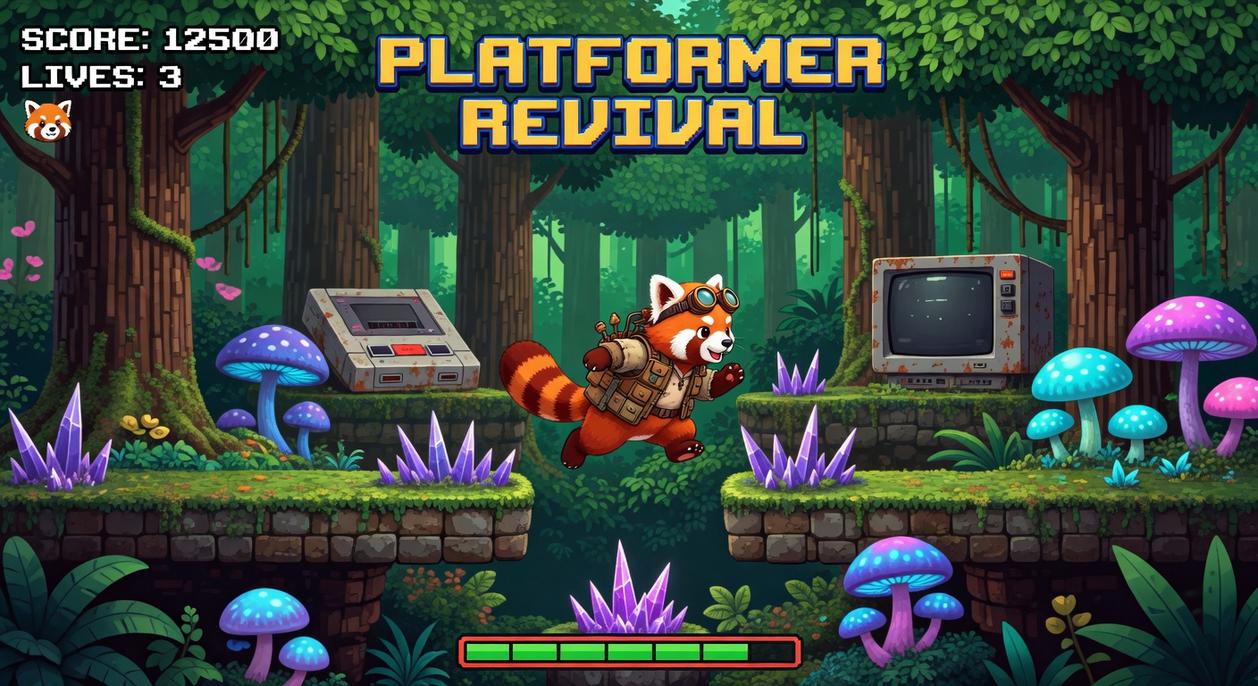
Let’s be honest: we’ve all blamed “bad controls” when we missed a jump by a pixel. That frustration is exactly what precision platformers challenge. This subgenre focuses on tight controls, exact timing, and high difficulty, where every dash, wall-cling, and midair correction matters.
Take Celeste. On paper, it’s brutally hard. You die hundreds of times. But the mechanics are so responsive that failure feels fair (mostly). Precision platforming means the game gives you complete agency—if you fall, it’s because your timing was off, not because the physics engine sneezed. The genius is pairing that difficulty with encouragement. Celeste reinforces perseverance through story and mechanics, turning frustration into growth instead of controller-throwing rage.
Still, some argue these games are too punishing. Why make players struggle? Because mastery is satisfying. The spike in difficulty mirrors real progress—something many mainstream games dilute with excessive hand-holding.
Genre-Bending Hybrids
Platforming isn’t confined to hopping across floating blocks anymore. It’s become a foundation.
- Metroidvania-platformers like Hollow Knight blend exploration with ability-gated progression (meaning new skills unlock previously unreachable areas).
- Roguelike-platformers like Dead Cells introduce procedural generation and permadeath, where each run resets progress but sharpens player skill.
- Puzzle-platformers like Braid twist time itself, making movement the solution.
Some critics say mixing genres muddies identity. But the indie platformer resurgence proves the opposite: blending systems creates replayability and depth that pure platformers sometimes lack.
Narrative Through Movement
In games like Ori and the Blind Forest, movement isn’t just traversal—it’s storytelling. Abilities evolve alongside emotional stakes. A double jump isn’t just vertical mobility; it’s hope regained. Environmental interaction—escaping floods, chasing light—communicates urgency without cutscenes.
And isn’t that what we wanted all along? Platforming that respects our skill, challenges our patience, and tells a story through the simple, infuriating act of pressing jump.
The Evolution of Sight and Sound
Pixel art isn’t just a retro throwback—it’s a deliberate aesthetic choice. Once born from hardware limits, it’s now a stylistic language. Modern developers use tight color palettes, dynamic lighting, and dense animation frames to create worlds that feel both nostalgic and cutting-edge. Think of it like vinyl records: technically old, creatively timeless. The recent indie platformer resurgence proves that constraints often fuel innovation rather than limit it.
Unique Hand-Drawn and Stylized Worlds
Visual diversity is where indie games shine. Cuphead channels 1930s Fleischer cartoons with hand-inked frames, while Gris unfolds like an interactive watercolor painting. These aren’t gimmicks—they’re cohesive art directions. Practical tip: when designing your own project, build a visual mood board first, then limit your palette to 3–5 dominant tones for consistency. A focused style reads stronger than visual overload (yes, even if you love neon explosions).
And if you’re tracking broader creative shifts, explore the rise of hybrid genres in modern gaming.
The Power of the Indie Soundtrack
Soundtracks are emotional architecture. Chiptune scores echo 8-bit roots, orchestral tracks swell with cinematic weight, and ambient layers create meditative space. Studies show music significantly enhances memory retention in media experiences (APA, 2013). Pro tip: prototype gameplay with temporary music early—tone mismatches are easier to fix before launch. Sometimes, the soundtrack becomes the legend.
Looking for your next essential indie platformer? Start here. These four define the indie platformer resurgence and each serves a different playstyle.
- For THE ULTIMATE CHALLENGE: Celeste delivers razor-sharp precision jumps and an assist mode that lets you tweak speed or stamina (perfect if you want growth without burnout).
- For the INTREPID EXPLORER: Hollow Knight offers vast interconnected zones, hidden charms, and tough bosses that reward patience.
- For ACTION junkies: Dead Cells blends roguelike runs with responsive combat—learn enemy patterns or start over.
- For the ARTISTIC SOUL: Gris pairs gentle puzzles with breathtaking, wordless storytelling.
All are worth your time.
Platformers never really vanished—they evolved. The recent indie platformer resurgence proves that accessible engines like Unity and Godot empower small teams to craft tight, responsive controls and striking pixel art.
Players benefit from precision movement, inventive level design, and hybrid mechanics that blend roguelike progression or Metroidvania exploration.
Key features include:
- Handcrafted stages that reward mastery
- Speedrun-friendly timers and leaderboards
- Adaptive difficulty options
Critics argue the market is oversaturated, but variety fuels innovation (remember how Celeste turned challenge into catharsis?). When developers iterate on wall-jumps, dashes, and gravity shifts, players gain richer, replayable experiences. Support and play.
Level Up Your Next Move
You came here to understand where modern gaming is headed—from shifting genre trends to multiplayer dynamics and performance optimization. Now you have a clearer view of how evolving mechanics, smarter setups, and the indie platformer resurgence are reshaping the way players engage with their favorite titles.
Gaming moves fast. Falling behind on trends, balance changes, or optimization strategies means missing out on better performance, stronger competitive edges, and richer play experiences. Whether you’re chasing smoother frames, deeper mechanics, or the next breakout genre, staying informed is what separates casual play from mastery.
Your next step? Stay plugged into the latest headlines, dissect emerging mechanics, and refine your setup so you’re always one step ahead. Join thousands of passionate players who rely on our in-depth breakdowns and real-time insights to sharpen their skills and upgrade their experience.
Don’t just play the game—understand it, optimize it, and dominate it. Dive into the latest updates now and take control of your next win.