
The gaming landscape is shifting fast, and if you’re trying to understand what today’s video game industry acquisitions mean for players, developers, and the future of your favorite franchises, you’re in the right place. With major studios merging, publishers expanding their portfolios, and indie teams being snapped up at record speed, it’s harder than ever to separate headline hype from real impact.
This article breaks down the most important recent deals, explains why they’re happening now, and explores how they influence game mechanics, monetization models, multiplayer ecosystems, and long-term genre evolution. Whether you’re a competitive player, a casual fan, or just industry-curious, you’ll get clear, no-nonsense analysis focused on what actually changes for you.
Our insights are grounded in deep industry tracking, close analysis of studio roadmaps, and a strong understanding of core gameplay systems and market strategy—so you’re not just getting news, but context that helps you see where gaming is headed next.
The Gold Rush for IP: Why Publishers Are Buying Studios
The modern gaming landscape isn’t just competitive—it’s subscription-driven. Services like Game Pass and PlayStation Plus have transformed games into recurring value propositions. In simple terms, intellectual property (IP) refers to the characters, worlds, and franchises a company legally owns. And in a subscription economy, exclusive IP is the bait that keeps players paying monthly. (Nobody subscribes for “maybe.” They subscribe for Halo.)
However, here’s what many analyses miss: subscriptions don’t just increase demand for games—they compress timelines. Platforms need steady, high-quality releases to reduce churn (when users cancel). That urgency fuels video game industry acquisitions at a scale we haven’t seen before.
Some argue buying studios stifles creativity. After all, isn’t funding bold new ideas healthier than scooping up established franchises? In theory, yes. But in practice, de-risking development—reducing financial uncertainty by investing in proven teams—makes fiscal sense. A studio with a decade-long franchise history offers data, audience loyalty, and predictable sales curves (publishers love predictability).
There’s also the talent factor. Acquisitions function as large-scale acqui-hires, securing veteran developers in a fiercely competitive labor market. Top-tier engineers and creative directors are scarce; owning the studio locks in both skill and institutional knowledge.
Finally, platform holders aren’t just buying games—they’re buying ecosystems. Exclusive content anchors players inside hardware, storefronts, and online services. That’s the real moat competitors rarely discuss.
For a look at upcoming titles shaped by these strategies, check out top game release announcements you shouldnt miss this year.
Landmark Deals That Redrew the Map
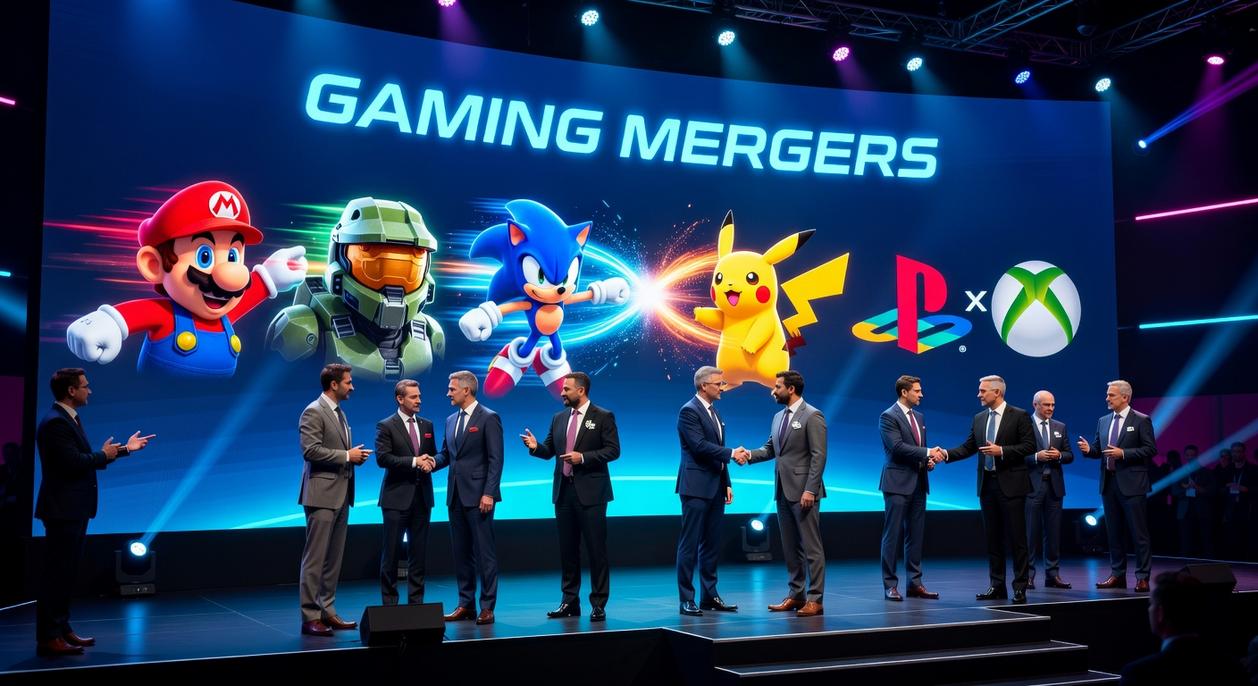
The past few years have transformed gaming in ways that directly affect what you play, where you play, and who owns your favorite worlds. Understanding these deals helps you anticipate exclusives, subscription changes, and long-term franchise support (yes, even for that yearly Call of Duty grind).
The Microsoft–Activision Blizzard Saga
Microsoft’s $69 billion acquisition of Activision Blizzard wasn’t just headline bait—it was a content power move. By securing franchises like Call of Duty, Warcraft, and Diablo, Microsoft strengthened Game Pass with proven, recurring revenue engines. The “why” is simple: ecosystem control. Subscriptions thrive on must-play titles, and few brands deliver engagement like these. If you’re wondering whether this impacts platform exclusivity, the short answer is: watch subscription ecosystems more than consoles.
Sony’s Strategic Counterpunch
Sony’s purchase of Bungie signaled a different priority: live-service mastery. Bungie’s experience running Destiny 2 gives Sony long-term multiplayer expertise, not just a single IP. Rather than bulk buying, Sony focused on sustainable engagement models. For players, that likely means more cross-platform live-service experiments under the PlayStation umbrella.
Embracer Group’s Volume Play
Embracer took another path—acquiring dozens of mid-tier studios and legacy IPs. Instead of betting on a few giants, it diversified. Think of it as building a vast content library where sleeper hits can thrive. Risk spreads out, but integration becomes complex (herding creative cats is no small feat).
Take-Two Meets Zynga
Take-Two’s acquisition of Zynga underscored platform convergence. A console heavyweight embracing mobile signals that the future isn’t platform-exclusive—it’s player-inclusive. For fans, that means more cross-progression and shared universes.
In short, video game industry acquisitions aren’t just boardroom drama—they shape how, and where, you play.
How Consolidation Changes the Games You Play
When people talk about consolidation, they usually mean video game industry acquisitions—big companies buying smaller studios. That sounds financial, but it directly affects what shows up on your console.
The Impact on Core Mechanics
Core mechanics are the repeatable actions you perform—shooting, jumping, deck-building. Critics argue corporate ownership pushes “safe” design (think annualized sequels that feel like copy-paste). That concern isn’t baseless. Public companies often prioritize predictable returns.
But more funding can also mean riskier innovation. Larger budgets helped games like Baldur’s Gate 3 refine complex systems that smaller studios might struggle to polish. (Money can buy time—and time makes better mechanics.)
Genre Evolution & Stagnation
- Homogenization: When multiple studios answer to one parent company, genres can blur together.
- Revival: Dormant genres—like tactical RPGs—sometimes return with stronger backing and marketing muscle.
In simple terms, consolidation can either shrink variety or bankroll comebacks.
Multiplayer Dynamics
Platform ownership may fragment communities through exclusives. Yet it can also fund stronger servers and cross-play systems. A stable backend (the tech powering online matches) often requires deep pockets.
The Price of Your Hobby
Subscription models like Game Pass promise “day one” access. Some fear rising long-term costs. Others see better value per dollar. The tradeoff? Ownership versus access. (Pro tip: track how many titles you actually finish before subscribing.)
Creative Freedom vs. Financial Stability isn’t theoretical anymore. Back in 2019, when video game industry acquisitions accelerated, many developers found bigger budgets arriving within months—along with new approval layers. On one hand, stable funding means polished tools, longer QA cycles, and fewer 3 a.m. crunches. On the other, greenlight meetings can dilute bold ideas (yes, even that weird mechanic you love).
Meanwhile, indies face the squeeze. Competing against publishers who own development and distribution is like speedrunning Dark Souls with a broken sword. Still, agility wins attention through niche communities and rapid updates.
Career hack? Start stable, then pivot indie.
As major players in the gaming industry continue to merge and acquire promising studios, the landscape is shifting rapidly, much like the innovative strategies employed by startups such as Obernaft.
Level Up Your Gaming Edge
You came here to make sense of the forces shaping modern gaming — from shifting genres and evolving mechanics to multiplayer trends and video game industry acquisitions that are redefining the competitive landscape. Now you have a clearer understanding of how these changes impact what you play, how you play, and where the industry is headed next.
The real challenge isn’t just keeping up — it’s staying ahead. Games evolve fast. Mechanics get deeper. Competitive metas shift overnight. If you’re not adapting, you’re falling behind.
That’s why staying informed and optimizing your setup, strategy, and game knowledge is no longer optional. It’s the difference between casual play and confident dominance.
Ready to stop guessing and start mastering? Dive into the latest gaming breakdowns, sharpen your mechanics with proven optimization hacks, and stay on top of the trends shaping tomorrow’s biggest titles. Join thousands of passionate players who rely on us for sharp, no-fluff insights — and level up your advantage today.